
Exercise Physiology Insights for Building Functional, Resilient Bodies
Anyone who wants to build a body that looks strong and performs well in everyday life and sports needs to understand exercise physiology. Exercise physiology is the scientific study of how the body reacts to and adapts to exercise. This knowledge is used to make training plans that improve daily performance, increase durability, and promote long-term health. By using ideas from exercise physiology, both people and health care professionals can come up with ways to build real resilience that go beyond looks.
Functional Training’s Place in Exercise Physiology
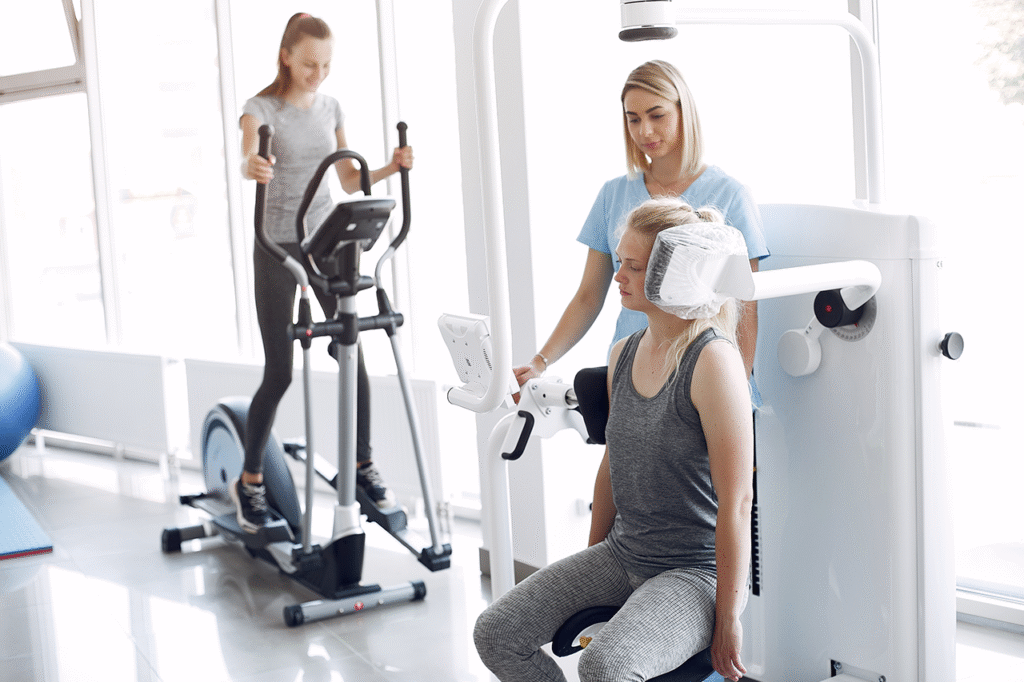
Functional training has become more popular because it closely aligns with the basic principles of exercise physiology. Functional training focuses on multi-joint movements that mimic real-life activities, unlike traditional gym routines that work on one muscle at a time. Exercise physiology teaches us that the body changes in response to the demands that are put on it. When we do compound exercises that work more than one muscle group, we make changes in our cardiovascular, musculoskeletal, and metabolic systems.
An exercise physiologist will often tell you to do functional exercises like squats, lunges, pushes, pulls, and rotational movements. This is because these patterns make your body stronger in ways that help you with everyday tasks. Exercise physiology shows that these workouts help with coordination, balance, and stability while lowering the risk of injury. If you play sports or work in a demanding job, adding functional exercises with the help of a certified exercise physiologist will help you build strength without hurting your joints.
Biomechanics and Physiological Efficiency
Biomechanics, an important part of exercise physiology, looks at the mechanical rules that control how people move. When practitioners know about biomechanics, they can choose the best exercises and techniques to make sure that forces are spread out evenly across joints and tissues. Exercise physiology incorporates biomechanical analysis to elucidate the reasons why improper form during exercises may result in overuse injuries or suboptimal energy expenditure.
For example, when you lift weights, keeping your spine, hips, and knees in the right place reduces shear forces on your lower back. Exercise physiologists use this information to fix how people move, which makes their bodies work better and last longer. Biomechanics-informed exercise is a key part of recovery from musculoskeletal injuries in rehabilitation services. Exercise physiology helps people build bodies that can withstand repetitive stress while staying flexible and strong by prioritising the quality of movement.
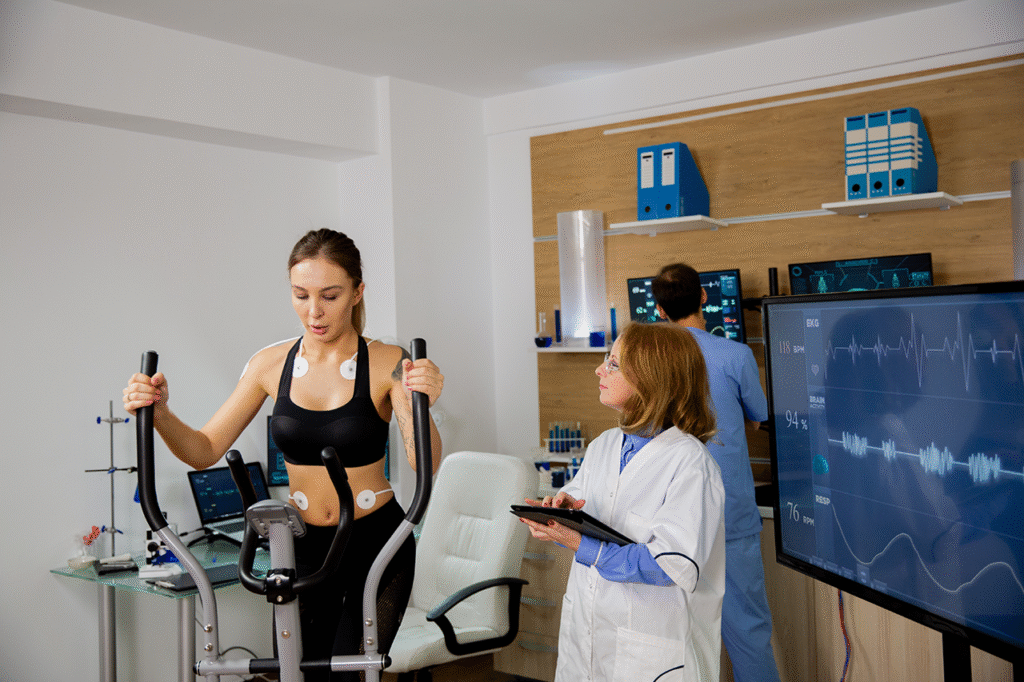
Good programme design based on exercise physiology takes into account how different people’s bodies work, their fitness levels, and their goals. An exercise physiologist starts by checking a person’s cardiovascular fitness, musculoskeletal strength, flexibility, and metabolic health. From there, they make programmes that gradually increase the amount of stimulus and recovery to encourage positive changes in the body.
Your body needs more than just strong muscles and good heart health to be strong. Exercise physiology stresses the importance of combining strength training, cardiovascular work, flexibility training, and neuromuscular exercises. For instance, combining resistance exercises and dynamic stretching improves strength and range of motion, which are important for preventing injuries. Exercise physiologists create personalised exercise plans as a form of medicine for people with chronic diseases and illnesses, such as heart disease, lung disease, and metabolic syndromes.
Exercise Physiology in Health Care and Prevention
One of the best uses of exercise physiology is to stop things from happening. Regular exercise that is prescribed correctly lowers the risk of getting chronic diseases by making the heart, metabolism, and bones healthier. Exercise physiologists are an important part of health care because they teach people how structured exercise can help prevent diseases like type 2 diabetes, high blood pressure, and osteoporosis.
Exercise physiology helps doctors and nurses make decisions about treatments based on the best evidence in health care settings like clinics and rehab centres. Accredited exercise physiologists work with medical teams to provide exercise interventions that complement traditional therapy. These programmes often focus on helping people with lung problems breathe better, helping people with heart disease get better, and helping people who have had surgery or an injury get better. Exercise becomes a powerful way to prevent and treat illness by addressing the underlying physiology.
Improving Daily Performance by Adapting to Changes in the Body
Physiological resilience is the basis for daily activities like carrying groceries, playing with kids, or sitting up straight at a desk. Exercise physiology shows that doing a lot of different exercises on a regular basis changes the way energy systems work, how muscle fibres are used, and how strong connective tissue is. Over time, these changes make everyday tasks easier and make you less tired.
Exercise physiologists recommend strength training as a key component of fitness. It increases the cross-sectional area of muscles and the efficiency of the nervous system, which helps the body produce force more efficiently. Cardiovascular exercises help deliver oxygen to your muscles and use it more effectively, helping you stay active for longer. Flexibility work keeps the range of motion in your joints and the elasticity of your tissues, which is important for moving smoothly. When put together smartly, these parts make a body that works well today and stays healthy and useful for many years.
Exercise Physiology in Athletic and Elite Performance Settings
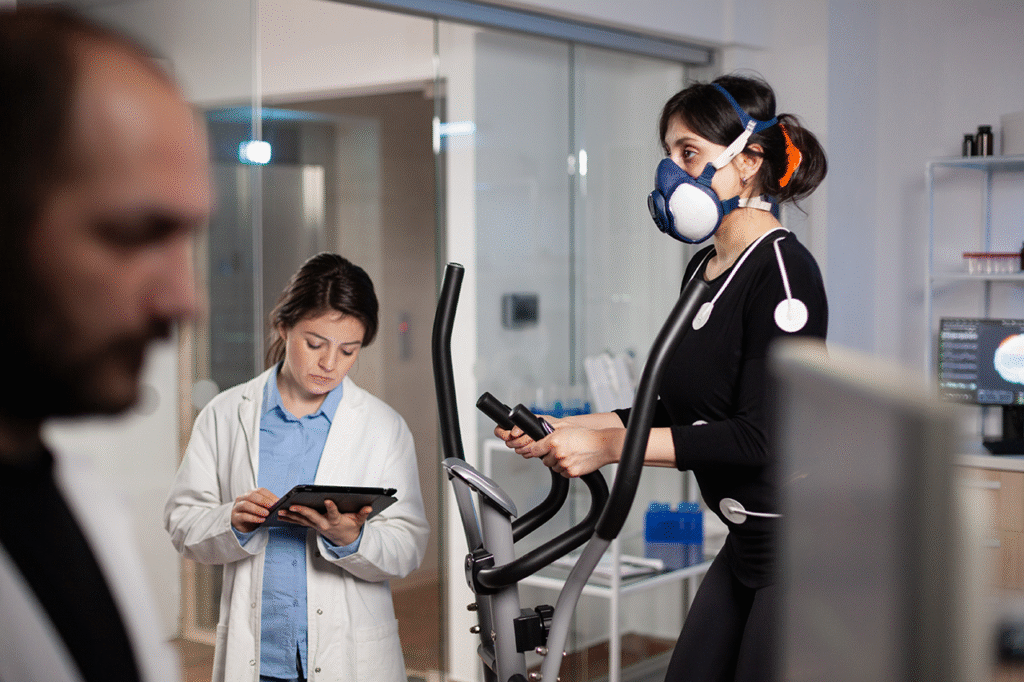
Exercise physiology is the scientific basis for training and recovery plans in sports. Exercise physiologists help athletes get the most out of their metabolic pathways, improve their breathing, and fine-tune how much weight they put on their muscles and bones. Periodised programmes have periods of high intensity followed by periods of recovery to get the most out of your body while lowering the risk of overtraining.
Functional exercises specific to a sport ensure that adaptations are directly applicable to the demands of competition. For instance, a runner might do plyometric exercises to build power, while a swimmer might work on rotational strength to make their strokes more efficient. Exercise physiology helps with load management, when to eat, and how to recover to help athletes perform at their best and stay in the sport for a long time.
Combining Flexibility and Mobility for Long-Term Strength
Strength and cardiovascular training receive much more attention than flexibility, yet exercise physiology shows that flexibility is important for long-term health. A limited range of motion increases the risk of injury and reduces movement efficiency. Regular flexibility exercises, such as dynamic stretching before activity and static stretching afterwards, make tissues more flexible and joints healthier.
Exercise physiologists recommend mobility drills that combine strength and flexibility, like controlled articular rotations or yoga-inspired flows. These practices help keep the body in balance, counter the effects of repetitive exercise that shortens muscles, and improve musculoskeletal health. Restoring flexibility is often a main goal of treatment plans for chronic illness or rehabilitation after an injury.
Exercise as Medicine: The Healing Power of Physiology
Exercise medicine has changed the way modern health care works. Exercise physiology demonstrates that organised physical activity can function as both a treatment and a supplementary therapy for various conditions. Graded cardiovascular exercise in cardiac rehabilitation enhances heart function and reduces the risk of recurrence. Supervised programmes improve insulin sensitivity, lung capacity, and overall quality of life for people with chronic diseases.
Clinics that offer exercise physiology services provide tailored interventions that are more effective than general fitness advice. Accredited professionals use physiologic monitoring to adjust intensity, keeping things safe and effective. Exercise physiology turns movement into targeted therapy for problems with the lungs, metabolism, or muscles and bones.
Building a Sustainable Health and Fitness Lifestyle
In the end, what we learn from exercise physiology helps us build healthy, lasting habits. Instead of going after quick fixes, strong bodies come from applying exercise principles smartly and consistently. An exercise physiologist can help you stay on track and give you expert advice, especially if you’re dealing with health problems or trying to reach big goals.
Anyone can build a body that can handle daily demands by focusing on functional movements, following biomechanical rules, and making exercise a part of their daily life. Exercise physiology shows the way to not only fitness, but also real physiologic resilience and good health.
Expert Care for Your Sports Injury Rehabilitation
Book a consultation with one of our sports physiotherapists today and get back to doing what you love — pain-free and stronger than ever.